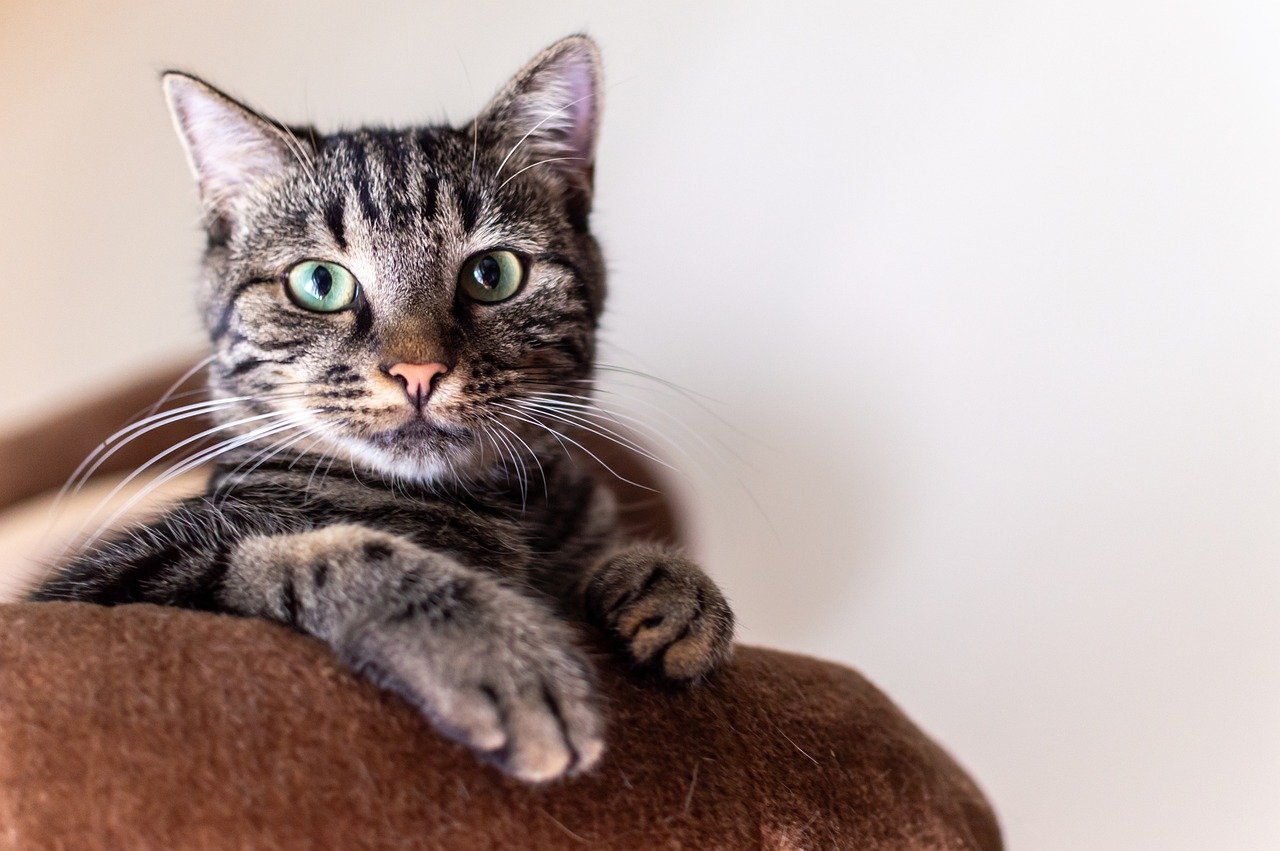
Every time you open social media, there is a good chance a cat will appear within minutes. Maybe it is a kitten attempting a dramatic jump and missing entirely. Maybe it is a grumpy-looking cat becoming the face of countless memes. Or maybe it is a house cat sitting inside a cardboard box as if it has just achieved a life goal.
For decades, cats have dominated the internet in a way few other animals have. They inspire viral videos, endless memes, dedicated social media accounts, and entire online communities. From YouTube compilations to Instagram celebrities, cats seem to have a special ability to capture our attention and keep us coming back for more.
But WHY?
What is it about cats that makes millions of people stop scrolling and watch a video of a feline doing absolutely nothing for three minutes? The answer goes beyond cute faces and fluffy tails. Cats are mysterious, expressive, entertaining, and surprisingly relatable. They communicate in subtle ways, form deep bonds with people, and constantly surprise us with their unique personalities.
In honor of International Cat Day, let’s explore what makes cats such internet superstars and why our fascination with them shows no signs of slowing down.
The Perfect Internet Stars
Cats seem almost designed for the internet age. Unlike many animals, cats can switch from graceful and elegant to hilariously chaotic in seconds. One moment they are sitting like royalty on a windowsill. The next, they are startled by a cucumber, chasing an invisible object, or somehow getting stuck in a paper bag. Their unpredictability is part of the appeal.
Cat owners know that no two cats are exactly alike. Some are confident social butterflies. Others prefer to observe life from a distance. Some demand attention around the clock, while others act as though they are doing you a favor by sitting next to you. That variety creates endless opportunities for funny, relatable, and heartwarming content.
Cats also have incredibly expressive faces and body language. Even when they are not making obvious sounds, they communicate a lot through their posture, eyes, ears, and tails. People naturally enjoy trying to interpret what their cats are thinking, which makes every photo or video feel like part of a larger story.
Decoding Common Cat Body Language
One reason cat content is so fascinating is that we love trying to understand what our cats are telling us.
While cats can sometimes seem mysterious, many of their signals are surprisingly easy to recognize once you know what to look for.
Tail Flicks
A flicking tail can mean different things depending on the situation.
A gentle swish may indicate curiosity or focus, especially if your cat is watching birds through a window or tracking a toy.
A rapid, forceful flick usually signals irritation, frustration, or overstimulation. If you are petting your cat and notice the tail starting to whip back and forth, it may be time to give them some space.
Think of the tail as a mood indicator that provides clues about what is happening inside your cat’s mind.
Slow Blinks
Many cat lovers call this the “cat kiss.”
When a relaxed cat looks at you and slowly closes and opens their eyes, it is often considered a sign of trust and comfort.
Researchers have found that cats are more likely to approach humans who slow blink at them, suggesting that this behavior plays a role in positive cat-human communication.
If your cat gives you a slow blink, try returning one. You may be surprised by the response.
Purring
Purring is commonly associated with happiness, and many cats do purr when they feel safe, content, and relaxed.
However, purring is more complex than many people realize.
Cats may also purr when they are nervous, stressed, injured, or seeking comfort. Experts believe purring may serve multiple functions, including communication and self-soothing.
That is why it is always important to consider the entire situation rather than assuming a purring cat is automatically happy.
Kneading
If your cat presses their paws rhythmically against a blanket, pillow, or even your lap, you have witnessed kneading.
This behavior begins in kittenhood when nursing kittens knead around their mother’s mammary glands to stimulate milk flow.
Many adult cats continue the behavior throughout their lives. Kneading is generally associated with comfort, relaxation, and positive feelings.
It may not always feel great when claws are involved, but it is often a sign that your cat feels secure in your presence.
Myths vs. Facts: Are Cats Really Aloof?
Cats have spent years battling an unfair reputation.
Many people still believe cats are distant, independent creatures that merely tolerate humans. Fortunately, science and everyday experience tell a different story.
Myth: Cats Don’t Form Strong Bonds With People
Fact: Cats absolutely form meaningful relationships with their humans.
Many cat owners have experienced their cat greeting them at the door, following them from room to room, sleeping nearby, or seeking comfort during difficult times.
Research has shown that cats can form attachment bonds with their caregivers, much like dogs and even human infants.
The difference is that cats often express affection in more subtle ways.
Myth: Cats Only Care About Food
Fact: While many cats certainly appreciate mealtime, food is not the only reason they interact with people.
Studies have found that social interaction can be highly rewarding for cats. Many actively seek attention, play, companionship, and environmental enrichment.
Anyone whose cat insists on sitting on their keyboard during an important task can probably confirm this.
Myth: Cats Are Antisocial
Fact: Cats are individuals.
Some cats enjoy meeting visitors and being the center of attention. Others prefer quieter environments.
Their social preferences vary just as human personalities do.
Being selective about social interactions does not mean a cat is unfriendly. It simply means they communicate and socialize differently.
Fun and Surprising Cat Facts
Cats have been fascinating humans for thousands of years, and there are plenty of interesting facts that help explain their lasting popularity.
Cats Were Revered in Ancient Egypt
Ancient Egyptians admired cats for their hunting abilities and often associated them with protection and good fortune.
Cats became such an important part of Egyptian society that harming one could carry serious consequences.
This early admiration helped cement the cat’s place in human culture.
One Cat Helped Define Internet Fame
When people think of internet-famous cats, one of the first names that often comes to mind is Grumpy Cat.
Known for her permanently displeased facial expression, Grumpy Cat became a global sensation, appearing in television shows, advertisements, books, and countless memes.
Her popularity demonstrated just how powerful cat content could become in the digital age.
Keyboard Cats and Viral Videos Helped Shape Internet Culture
Long before modern social media platforms dominated the web, cat videos were already attracting huge audiences.
One famous example was Keyboard Cat, whose videos became a viral sensation and were widely shared across the internet.
Cats helped define online humor long before influencer culture became mainstream.
Cats Sleep a Lot
The average cat spends a significant portion of the day sleeping.
While exact amounts vary, many cats sleep between 12 and 16 hours daily, and some sleep even more.
That leaves plenty of time for the important business of supervising households, demanding treats, and judging our life choices.
The Chattering Mystery
Have you ever seen your cat sit at a window and make rapid clicking or chattering sounds while watching birds?
Experts are still studying exactly why cats do this.
Some theories suggest excitement, frustration, or instinctive hunting behavior. Regardless of the reason, it remains one of the most intriguing feline quirks.
Every Cat Has a Unique Personality
Spend enough time around cats and you quickly realize there is no such thing as a “typical” cat.
Some love water. Some hate it.
Some enjoy meeting strangers. Others disappear the moment the doorbell rings.
Some become expert lap cats. Others prefer to show affection from exactly three feet away.
Their individuality is one of the biggest reasons people find them so endlessly entertaining.
Why We Keep Coming Back to Cat Content
Cat videos and photos provide something many people need in today’s fast-paced world.
They make us laugh.
They surprise us.
They remind us to slow down and appreciate simple moments.
Watching a cat chase a toy, curl up in a sunbeam, or confidently occupy a box that is clearly too small can be a welcome break from daily stress.
Cats also connect people. Online communities built around cat photos, rescue stories, health tips, and funny moments bring together millions of people from different countries and backgrounds.
In many ways, our love of cats is universal.
Celebrating International Cat Day
International Cat Day is a wonderful opportunity to appreciate everything cats bring into our lives.
Whether your cat is playful, independent, cuddly, mischievous, or all of the above, they make our homes a little brighter and our days a little more interesting.
The internet may have helped turn cats into global celebrities, but the real magic happens in the everyday moments we share with them. The quiet purr beside us during a movie. The enthusiastic greeting before breakfast. The unexpected burst of zoomies across the living room.
Those are the moments that keep us falling in love with cats again and again.
This International Cat Day, we’d love to hear about your feline friend. Does your cat have a funny habit? A favorite sleeping spot? A story that always makes you smile?
Share your cat stories or photos in the comments and join us in celebrating the animals that have completely taken over both our homes and our screens. And honestly, we wouldn’t have it any other way.